
Can sun damage be reversed?
Years of sun leave marks on skin. The natural next question is whether any of it can be undone.
The cell damage stays, the look can change
Only in part: the damage inside the cells stays, but the way your skin looks can change. That makes this a can-wait question about appearance.
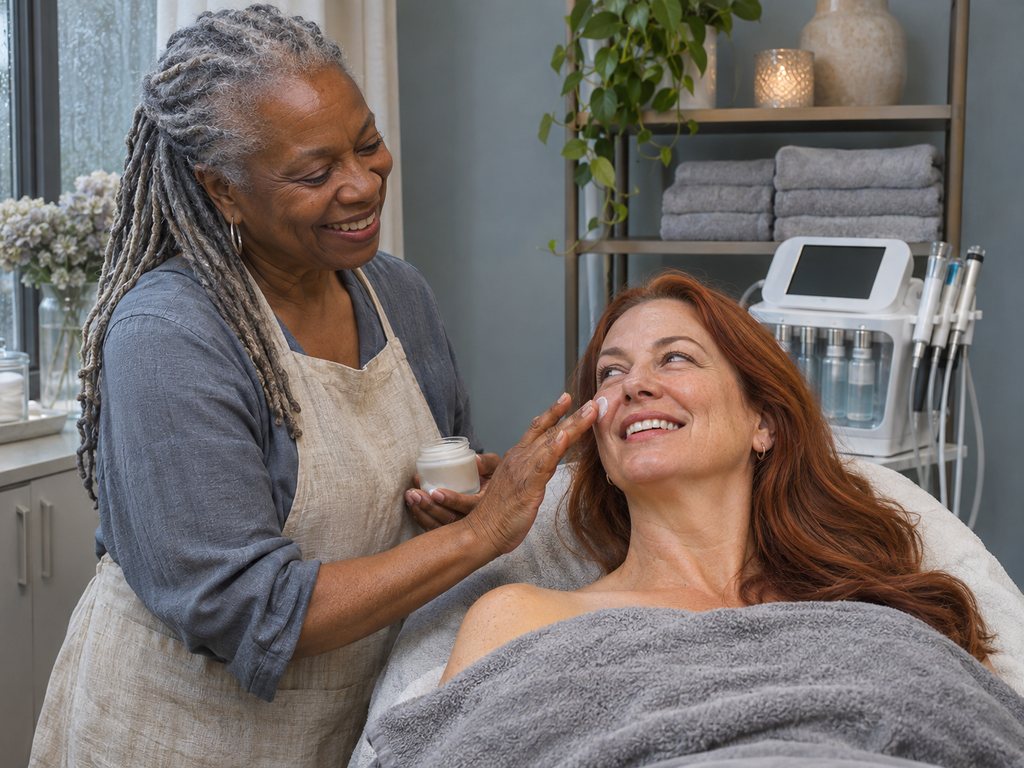
What UV does to DNA, and what you can still treat
my.clevelandclinic.org draws the line in three sentences. On the damage itself, it says that once UV radiation changes your skin cells’ DNA, the DNA damage can’t be reversed.
However, this doesn’t mean that you can’t change the appearance of your skin. You can treat, reduce and/or repair the effects of sun-damaged skin.
The first sentence is firm. The other two are the practical part, because they move the goal from reversing the damage to changing how it shows.
Which route to ask a clinician about
Ask a clinician which of those routes, treating, reducing or repairing, fits your skin. The same site has a longer page on sun damage and protecting yourself to read before that visit.
What you can handle alone
Reading and asking questions are yours to do. Choosing a treatment is not. If a chemical peel comes up in your consultation, read the aad.org chemical peels overview first so the conversation starts informed.
If patches of uneven color are your worry, two pages cover that case: the aad.org page on melasma signs and symptoms and the Harvard Health page on melasma (chloasma).
The sign that moves this to urgent
A single spot that worries you is no longer a reversal question. Read Are age spots dangerous? before you wait any longer. For a list of what photoaging looks like, see What are the signs of photoaging?