
Sun damage and age spots
Sun damage questions, from the spot to the wrinkle
Sun damage is the lane where a cosmetic question can hide a medical one. A darkened patch is the usual example, so the questions below start with the one about danger and finish with at-home care.
my.clevelandclinic.org defines the underlying problem this way:
Photoaging is the premature aging of your skin due to ongoing exposure to ultraviolet A (UVA) and ultraviolet B (UVB) radiation. Photodamage can come from natural UV radiation exposure from the sun or artificial UV light sources (tanning beds or sun lamps).
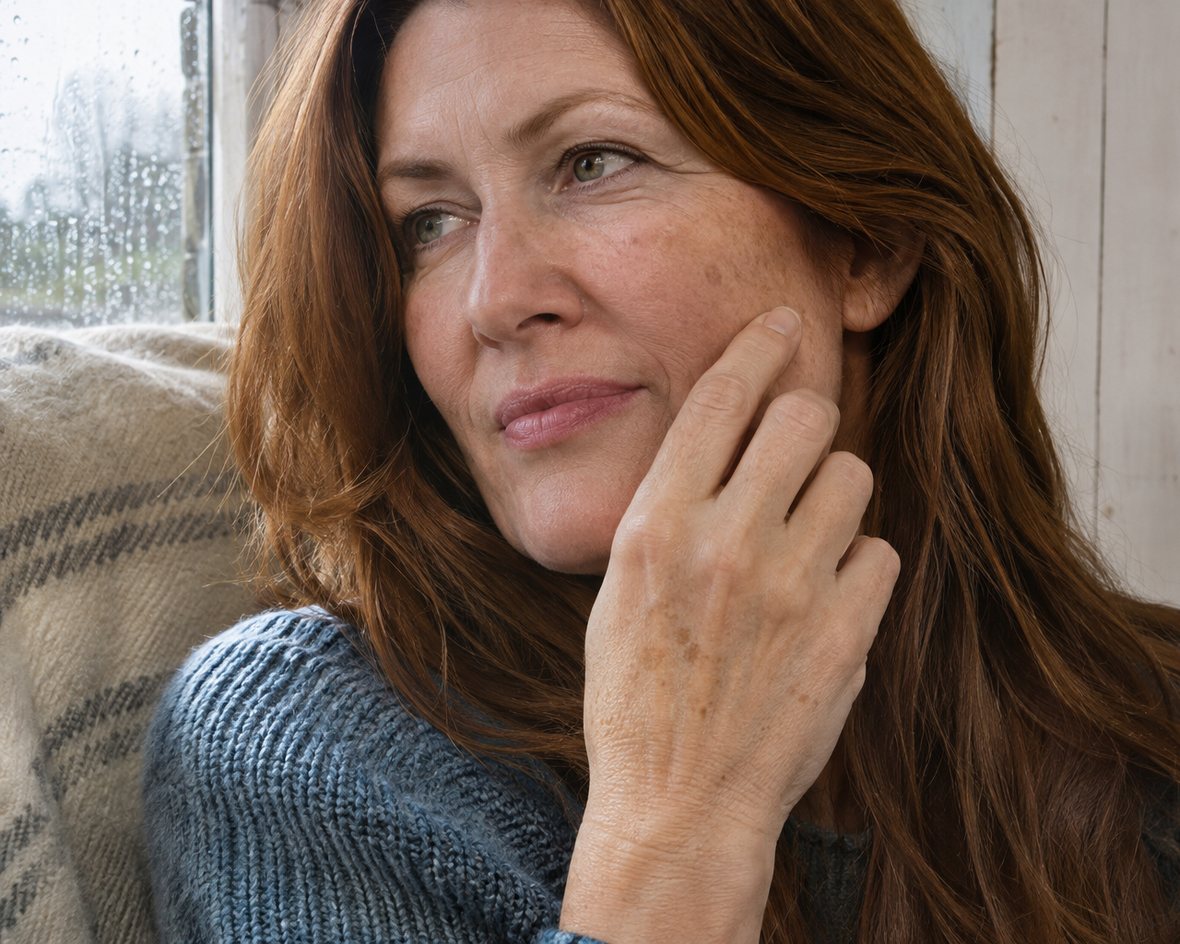
It also describes the spots themselves:
Liver spots are darkened patches of skin. They often develop on areas that have been exposed to ultraviolet (UV) light.
The five questions, from most urgent to most cosmetic
- Are age spots dangerous?
- What causes liver spots on your skin?
- What are the signs of photoaging?
- Can sun damage be reversed?
- Are there at-home treatments for premature skin aging?
One rule for deciding when to seek care
When the spot is the question, have someone look at it. Reading about spots cannot tell you which one is on your skin. Questions about reversal and home care are the ones that can wait for your next quiet hour.
Outside references help with the edges of this lane. Melasma is its own topic, covered by the melasma signs and symptoms page and the melasma entry from Harvard Health. For prevention, there is a guide to protecting yourself from sun damage, and for a treatment people ask about, the chemical peels overview.
Which lane to check next
If texture is the complaint rather than color, go to Microdermabrasion and hydradermabrasion facials. If wrinkles are the concern, How long injectable results last is the neighboring lane.